Horse
Property Checklist for Buyers
Florida
Horse Property Checklist: What Equestrian Buyers Need to Know
Buying a
horse farm in Florida is not the same as buying a home with some extra land.
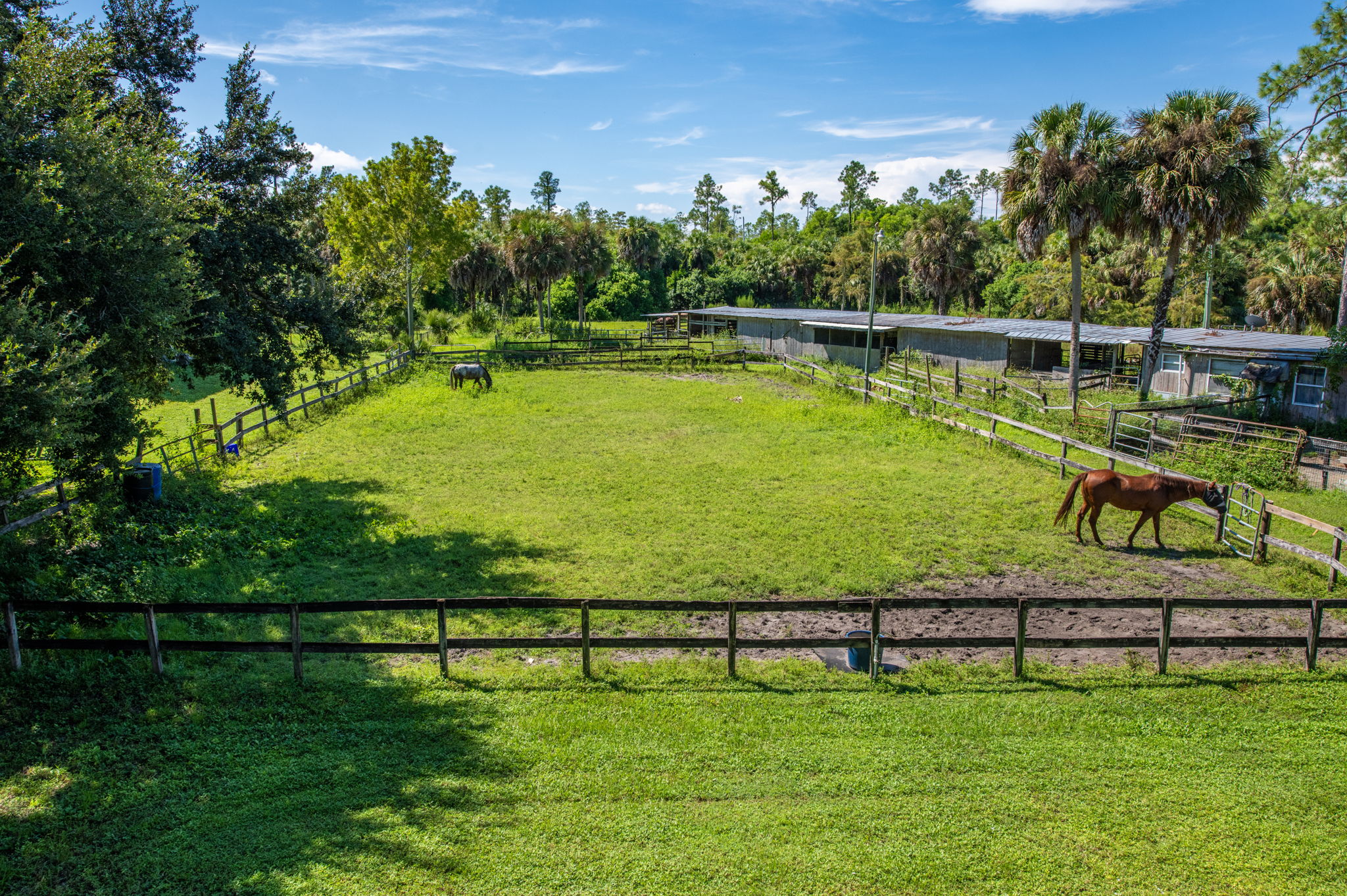
The right Florida equestrian property has to work for your horses as
well as for you, and that means looking closely at the barn, the pasture, the
fencing, the drainage, the water and how the property handles Florida's heat,
humidity, rainy season and hurricane risk.
This guide
gives you a practical Florida horse property checklist, explains the
issues that are specific to our climate and terrain, and shows why working with
an experienced equestrian property agent can save you time, money and worry.
Since 1986, I have been helping buyers find the right homes for themselves and
their horses across Southwest Florida.
Why
Florida Horse Property Is Different
Horse
property in Florida comes with a unique set of conditions that buyers from
other states sometimes underestimate.
Heat and
humidity. Long, hot,
humid summers affect how a barn should be built and how horses should be turned
out, watered and cooled.
A defined
rainy season and afternoon thunderstorms. Heavy summer rain makes drainage one of the most
important features of any horse farm.
Flat
terrain and a high water table. Much of Southwest Florida is low and flat, with sandy soils.
Good elevation, grading and drainage matter for barns, arenas and pastures.
Hurricane
season. The Atlantic
hurricane season runs from June 1 through November 30, so wind-rated
construction, evacuation planning and trailer access are practical necessities.
Insects
and parasites.
Mosquitoes, flies and warm-weather parasites call for good management and a
conversation with your veterinarian about vaccinations and control programs.
Year-round
riding. The upside
of all of this is a long riding season, with room for trail riding, training
and competition for much of the year.
Florida
Equestrian Property Checklist
Use this
checklist when touring horse properties. You can also download the checklist
graphic that accompanies this article.
1.
Zoning, deed restrictions and permitted use
- Confirm that horses are allowed,
and how many
- Check zoning, deed restrictions
and any association rules
- Verify rules for barns, arenas,
lighting, boarding and lessons if you plan to teach or board
- Ask whether agricultural
classification may apply, and confirm details with the county property
appraiser
2.
Acreage and usable pasture
- Look at usable acres, not just
total acres, since wetlands, trees and buildings reduce grazing land
- A commonly cited guideline is
roughly 1 to 2 acres of good pasture per horse, but soil, grass quality,
rotation and management all change the answer
- Walk the pasture and look for
bare spots, standing water, poor grass and weeds
3.
Drainage, flood zone and elevation
- Check the flood zone and request
an elevation certificate when appropriate
- Look for high, dry sites for the
barn, arena and turnout areas
- Visit after a rain if you can,
or ask how the property performs during the rainy season
- Look for ditches, swales,
culverts and grading that move water away from structures
4. Barn
construction
- Confirm that the barn was
permitted and built to Florida Building Code, including wind-load
requirements
- Look for good ventilation: ridge
vents, cupolas, open sidewalls, fans and generous roof overhangs
- A metal roof with good
insulation or ventilation helps with heat and storms
- Check the structure for termite
damage, rot and moisture problems
- Evaluate electrical safety,
lighting, GFCI protection and fire safety
- Look at concrete, drainage and
flooring in the aisle and stalls
5.
Stalls, aisles and barn features
- Stall size (12 by 12 feet is a
common standard for many horses) and door and latch safety
- Wide, safe aisles with good
traction
- Wash rack, tack room, feed room
and hay storage
- Space for equipment, trailers
and a workshop
- Turnout access from the stalls,
if available
6.
Fencing and gates
- Check the type and condition of
the fencing: wood, vinyl or PVC, coated rail, no-climb woven wire and
electric all have trade-offs
- Pressure-treated wood can rot or
warp in Florida's humidity, so inspect posts at ground level
- Look for fence height that is
appropriate for your horses, commonly around 4.5 to 5 feet
- Avoid barbed wire and look for
sharp edges, loose boards and unsafe gaps
- Test gates and latches, and look
for safe cross-fencing for rotating pastures
7. Arena
and footing
- Look at the base, footing depth
and drainage, which are critical in sandy and wet conditions
- Ask about irrigation or dust
control and how the arena handles heavy rain
- Consider lighting for evening
riding and the size needed for western, dressage or jumping
- Ask about maintenance equipment
and who has maintained the arena
8. Water,
wells and power
- Confirm a reliable water source
and test water quality
- Horses can drink many gallons a
day, especially in hot weather, so look at waterers, hoses and flow
- Ask about well capacity,
irrigation and septic capacity
- Check for a generator hookup or
backup power, which is valuable after storms
9. Heat,
shade and insect control
- Look for shade trees, run-in
sheds, fans and misting options
- Ask how turnout is managed
during summer heat
- Review fly, mosquito and manure
management practices
10. Storm
plan, trailer access and roads
- Look for a practical hurricane
plan, including a place to evacuate horses and a way to get there
- Confirm trailer access,
turnaround room and road conditions in all weather
- Look for tall or dead trees near
structures and fences
11.
Services and community
- Distance to veterinarians,
farriers, feed stores, trainers and boarding facilities
- Access to trails, show venues
and riding partners
- Neighborhood rules, road
conditions and surrounding land use
Barn
Construction in Florida: What to Look For
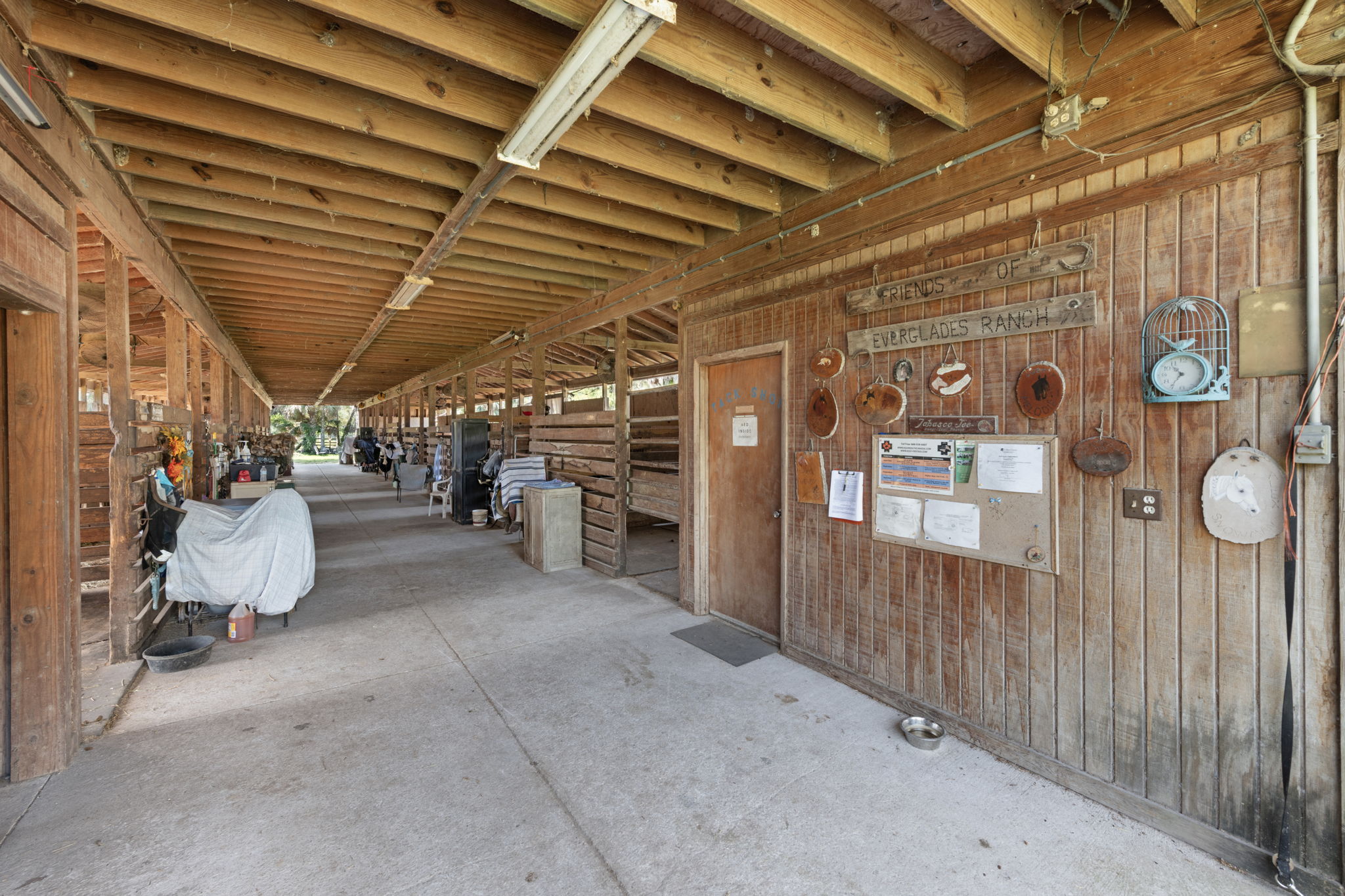
A barn is
the heart of a horse property, and in Florida, construction details matter.
- Wind and storm engineering. Ask for plans, permits and a
certificate of occupancy or completion where applicable.
- Ventilation. Heat and moisture are the
enemy. Open design, high ceilings, ridge vents and fans help keep horses
comfortable.
- Roofing. Metal roofing is common in
Florida, and attention to attachment, overhangs and drainage matters in
heavy rain and wind.
- Flooring and drainage. Stall floors and aisles should
drain well, with surfaces that are safe and easy to clean.
- Materials and maintenance. Humidity, insects and sun take
a toll, so inspect wood, hardware and finishes.
- Fire safety. Look at wiring, extinguishers,
hay storage and, where applicable, detection or sprinkler systems.
Different
barn styles, such as center-aisle, shed-row and stick-built or post-frame, each
have strengths. The best choice depends on your horses, your budget and your
plans.
Pasture,
Grass and Soil in Florida
Florida's
sandy soils and heat shape pasture management.
- Grass types. Bahia grass and Bermuda grass
varieties are commonly used in Florida pastures. Ask a local extension
agent or equine professional what works best on a given property.
- Rotation and rest. Overgrazing can quickly leave
sandy soils bare, so rotation, cross-fencing and rest periods help.
- Toxic plants. Learn to recognize plants that
are hazardous to horses, and have pastures checked.
- Water and wet areas. Standing water can lead to hoof
problems and mud, and low spots can stay wet for long periods.
- Fertility and maintenance. Ask about soil testing,
fertilization and mowing history.
Special
Equine Needs in Florida's Climate
Horses are
hardy, but Florida's climate asks more of them and of their owners.
- Cooling and shade. Provide shade, airflow and
plenty of fresh water.
- Hoof and skin health. Wet conditions can contribute
to hoof and skin problems, so dry footing and good drainage help.
- Insect protection. Fly control, mosquito reduction
and appropriate vaccinations are part of regular care, so talk with your
veterinarian.
- Turnout management. Many owners turn out in the
cooler parts of the day during summer.
- Storm preparedness. Keep documents, supplies and a
trailer plan ready before the season starts.
Where
Horse Buyers Look in Southwest Florida
Horse-property
buyers commonly explore areas such as Golden Gate Estates, the Naples area,
Estero and Bonita Springs, Alva, North Fort Myers, Punta Gorda and the
surrounding rural areas. Each has its own zoning, lot sizes, soils and
community character, so verify what is allowed on any specific property before
you buy.
Why Use
an Experienced Equestrian Property Agent
A horse
property can look perfect in photos and still be a poor fit for horses. An
experienced equestrian agent helps you avoid costly surprises and find a
property that truly works.
- Zoning and restrictions
knowledge.
Rules on horse numbers, barns, arenas and use vary widely.
- An eye for horse-ready features. Barn layout, ventilation,
fencing, footing, pasture quality and drainage are evaluated differently
from ordinary home features.
- Local network. Veterinarians, farriers,
trainers, barn builders, fence contractors and surveyors can be a phone
call away.
- Matching property to purpose. Whether you ride western,
dressage, jump or trail ride, a good agent helps match location and
facilities to your needs.
- Better negotiation and due
diligence.
Knowing what to inspect and what is worth paying for protects your
investment.
- Decades of experience. I have been finding horses
homes since 1986, and that experience helps buyers narrow their search to
the right location and property.
Frequently
Asked Questions
How much
land do I need for a horse in Florida? A commonly cited guideline is about 1 to 2 acres of good
pasture per horse, but soil, grass quality, rotation, supplemental feeding and
management all matter. Your veterinarian or local extension office can help
with specifics.
What
should I look for in a Florida horse barn? Look for permitted, wind-rated construction, good
ventilation, safe electrical and lighting, safe stall sizes and doors,
well-drained floors, and space for tack, feed and hay.
What
fencing is best for horses in Florida? There is no single best choice. Wood, vinyl or PVC, coated
rail, no-climb woven wire and electric each have pros and cons, and condition
matters most. Avoid barbed wire and inspect for rot and damage.
How does
Florida's climate affect horse property? Heat, humidity, heavy summer rain, flat terrain and
hurricane season make ventilation, shade, drainage, water supply and storm
planning especially important.
Can I run
a boarding or training business on a Florida horse property? It depends on zoning, deed
restrictions, permits and local rules, so verify before you buy.
Why hire
an equestrian property agent? An equestrian specialist understands horse-specific
features, zoning, local resources and the details that make a property work for
horses, which helps you avoid costly mistakes.
Talk with
an Equestrian Property Agent
Looking for
a horse property in Southwest Florida? Let me help you find the right location
and the right farm for you and your horses.
Glen
Bigness, Premiere Plus Realty Equestrian Property Agent, finding horses homes since 1986
Phone: 239-272-4663 Email: horseflorida@gmail.com Website: www.horseflorida.com